

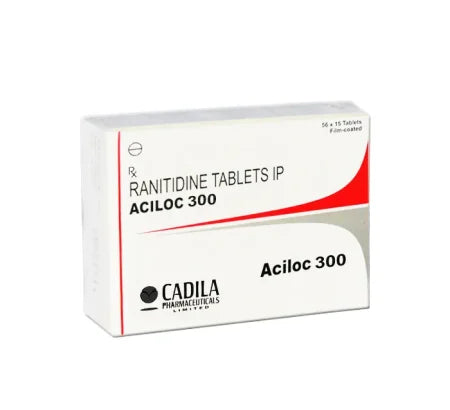
Understanding Aciloc 300 mg
Aciloc 300 mg is a prescription medication primarily used to reduce excessive stomach acid production. It contains Ranitidine Hydrochloride 300 mg, a medicine that belongs to a group of drugs known as Histamine H2-Receptor Antagonists (H2 Blockers). By lowering acid secretion in the stomach, Aciloc 300 mg helps manage various gastrointestinal conditions associated with excess acid production.
The medication has been widely used in the treatment and prevention of acid-related digestive disorders. It helps provide relief from symptoms such as heartburn, acid regurgitation, stomach discomfort, and irritation caused by increased gastric acid levels.
Active Ingredient
Generic Name: Ranitidine Hydrochloride
Strength: 300 mg
Drug Class: Histamine H2-Receptor Antagonist (H2 Blocker)
Dosage Form: Oral Tablet
How Aciloc 300 mg Works
The stomach naturally produces acid to assist in digestion. However, excessive acid production can damage the lining of the stomach, esophagus, and upper digestive tract.
Aciloc 300 mg works by blocking histamine H2 receptors located in the stomach lining. Histamine is one of the substances responsible for stimulating acid production. When these receptors are blocked, the stomach produces significantly less acid, allowing irritated tissues to heal and reducing symptoms associated with acid-related disorders.
This mechanism helps protect the digestive tract from further acid damage while promoting recovery of affected areas.
Medical Uses of Aciloc 300 mg
Management of Gastric Ulcers
Aciloc 300 mg may be prescribed to help heal ulcers that develop in the stomach lining due to excessive acid exposure.
Treatment of Duodenal Ulcers
The medication can assist in treating ulcers located in the upper portion of the small intestine by reducing acid levels and creating a favorable healing environment.
Gastroesophageal Reflux Disease (GERD)
GERD occurs when stomach acid repeatedly flows back into the esophagus. Aciloc 300 mg helps reduce acid production, which may lessen irritation and discomfort associated with acid reflux.
Acid Indigestion and Heartburn
Individuals experiencing frequent heartburn, burning sensations in the chest, or acid-related indigestion may receive Aciloc 300 mg as part of their treatment plan.
Hypersecretory Conditions
Certain medical conditions cause the stomach to produce excessive amounts of acid. Aciloc 300 mg may be used to help manage these disorders under medical supervision.
Key Characteristics of Aciloc 300 mg
Long-Lasting Acid Control
The 300 mg strength provides extended acid suppression, helping maintain lower stomach acid levels for several hours.
Supports Digestive Tract Healing
By reducing acid exposure, the medication helps create conditions that support healing of damaged stomach and esophageal tissues.
Effective Night-Time Acid Reduction
Many healthcare providers prescribe higher-strength ranitidine formulations for managing acid production that occurs during the night.
Oral Administration
The tablet form allows convenient dosing without the need for injections or complex administration methods.
Benefits of Aciloc 300 mg
-
Helps decrease excessive stomach acid production
-
Supports healing of stomach and intestinal ulcers
-
Reduces symptoms associated with acid reflux
-
Helps relieve persistent heartburn
-
May reduce irritation in the esophagus
-
Assists in managing acid-related digestive disorders
-
Provides extended acid control
-
Supports overall gastrointestinal comfort
How to Take Aciloc 300 mg
Take Aciloc 300 mg exactly as prescribed by your healthcare provider.
The tablet should be swallowed whole with water and may be taken with or without food depending on medical instructions. Some patients may be advised to take the medication in the evening or before bedtime, particularly when acid-related symptoms occur during the night.
Do not crush, split, or chew the tablet unless specifically instructed by a healthcare professional.
Maintaining a consistent dosing schedule may help achieve optimal therapeutic results.
Dosage Considerations
The appropriate dosage of Aciloc 300 mg depends on several factors, including:
-
Medical condition being treated
-
Severity of symptoms
-
Age of the patient
-
Kidney function
-
Response to treatment
-
Other medications being used
Only a qualified healthcare provider can determine the most suitable treatment plan.
Possible Side Effects
Like all medications, Aciloc 300 mg may cause side effects in some individuals, although not everyone experiences them.
Common Side Effects
-
Headache
-
Nausea
-
Constipation
-
Diarrhea
-
Stomach discomfort
-
Dizziness
-
Fatigue
These effects are generally mild and often improve as the body adjusts to treatment.
Less Common Side Effects
-
Skin rash
-
Muscle pain
-
Sleep disturbances
-
Changes in liver enzyme levels
Serious Side Effects
Immediate medical attention may be required if symptoms such as the following occur:
-
Severe allergic reactions
-
Difficulty breathing
-
Irregular heartbeat
-
Severe skin reactions
-
Unusual bleeding or bruising
-
Significant confusion or mental status changes
Precautions Before Using Aciloc 300 mg
Before starting treatment, inform your healthcare provider about your complete medical history.
Special caution may be required in individuals with:
-
Kidney disease
-
Liver disorders
-
Porphyria
-
Previous allergic reactions to H2 blockers
-
Gastrointestinal bleeding
-
Chronic digestive disorders
Medical supervision is important to ensure safe and appropriate use.
Drug Interactions
Aciloc 300 mg may interact with certain medications, potentially altering their effectiveness.
Examples include:
-
Antifungal medications
-
Blood-thinning medicines
-
Certain antiviral drugs
-
Medicines requiring stomach acid for proper absorption
-
Prescription and non-prescription digestive treatments
Always provide your healthcare provider with a complete list of medications, supplements, and herbal products you use.
Storage Information
Store Aciloc 300 mg under appropriate conditions:
-
Keep at room temperature
-
Protect from excessive heat and moisture
-
Avoid direct sunlight
-
Store in the original packaging
-
Keep away from children and pets
Proper storage helps maintain the medication's quality and effectiveness.
Who Should Not Use Aciloc 300 mg?
Aciloc 300 mg may not be suitable for:
-
Individuals allergic to Ranitidine or related ingredients
-
Patients with certain rare metabolic disorders
-
Individuals advised against using H2-receptor antagonists
-
Patients with specific medical conditions determined by their healthcare provider
A professional medical evaluation is recommended before initiating treatment.
Important Safety Information
Aciloc 300 mg is intended for use according to medical advice and should not be taken for longer periods than recommended without professional supervision. Persistent digestive symptoms, unexplained weight loss, difficulty swallowing, or recurrent stomach pain should always be evaluated by a healthcare provider, as these symptoms may indicate underlying medical conditions requiring further investigation.
When used appropriately under medical guidance, Aciloc 300 mg can play an important role in managing acid-related gastrointestinal disorders and supporting digestive health.
What is Lorem Ipsum?
Lorem Ipsum is simply dummy text of the printing and typesetting industry. Lorem Ipsum has been the industry's standard dummy text ever since the 1500s, when an unknown printer took a galley of type and scrambled it to make a type specimen book. It has survived not only five centuries, but also the leap into electronic typesetting, remaining essentially unchanged. It was popularised in the 1960s with the release of Letraset sheets containing Lorem Ipsum passages, and more recently with desktop publishing software like Aldus PageMaker including versions of Lorem Ipsum.
Shipping Details
Estimated ship dimensions: 11.5 inches length x 9.0 inches width x 2.0 inches height
Estimated ship weight: 2.48 pounds
We regret that this item cannot be shipped to PO Boxes.
Lorem ipsum dolor sit amet, consectetur adipisicing elit, sed do eiusmod tempor incididunt ut labore et dolore magna aliqua. Ut enim ad minim veniam, quis nostrud exercitation
Returns
Not happy with a purchase? No problem. We’ve made returning items as easy as possible. And, most purchases can be returned for free. Learn more about our Returns Policy