

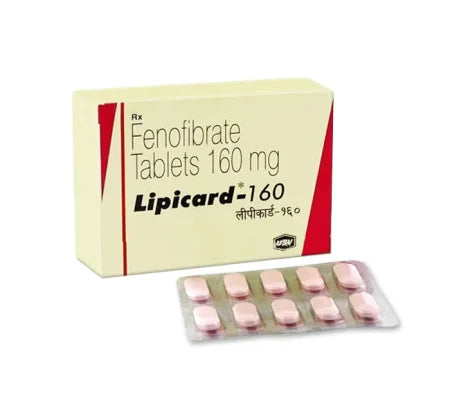
What is Lipicard 160 mg?
Lipicard 160 mg is an oral prescription medication primarily used to help manage abnormal lipid levels in the bloodstream. It contains Fenofibrate 160 mg, a medicine belonging to the fibrate class that is prescribed to reduce elevated triglycerides and improve overall cholesterol balance. This treatment is generally recommended alongside a healthy diet, regular exercise, weight management, and other lifestyle modifications.
Unlike medicines that mainly target LDL cholesterol, Lipicard 160 mg focuses on improving multiple lipid parameters by lowering triglycerides, increasing HDL (good cholesterol), and helping reduce certain harmful blood fats. Long-term management of unhealthy lipid levels may contribute to better cardiovascular health when combined with appropriate medical care.
Active Ingredient
-
Generic Name: Fenofibrate
-
Strength: 160 mg
-
Drug Class: Fibric Acid Derivative (Fibrate)
-
Dosage Form: Oral Tablet
How Lipicard 160 mg Works
Fenofibrate works by activating a receptor in the body known as PPAR-alpha (Peroxisome Proliferator-Activated Receptor Alpha). Activation of this receptor increases the breakdown and removal of triglyceride-rich particles from the bloodstream while promoting the production of HDL cholesterol.
It also helps reduce the liver's production of very-low-density lipoprotein (VLDL), which carries triglycerides through the blood. By improving lipid metabolism, Lipicard 160 mg helps maintain healthier cholesterol and triglyceride levels over time.
Key Features of Lipicard 160 mg
Comprehensive Lipid Management
Helps control high triglyceride levels while supporting healthier cholesterol balance.
Contains Fenofibrate 160 mg
Provides a commonly prescribed strength for adults requiring triglyceride-lowering therapy.
Supports Healthy HDL Levels
May contribute to increasing beneficial HDL cholesterol as part of an overall treatment plan.
Once-Daily Administration
Typically prescribed as a single daily tablet, making routine treatment easier to follow.
Suitable for Long-Term Treatment
Often used as part of ongoing lipid management under regular medical supervision.
Medical Uses of Lipicard 160 mg
Lipicard 160 mg may be prescribed for the management of:
-
Hypertriglyceridemia (high triglyceride levels)
-
Mixed dyslipidemia
-
Primary hypercholesterolemia in selected patients
-
Combined lipid disorders
-
Patients requiring additional triglyceride reduction despite lifestyle changes
Treatment decisions should always be based on a healthcare provider's assessment of individual cardiovascular risk and laboratory findings.
Benefits of Lipicard 160 mg
-
Helps reduce elevated triglyceride levels
-
Supports improvement in overall lipid profile
-
May increase HDL (good cholesterol)
-
Assists in reducing VLDL cholesterol
-
Complements dietary and lifestyle modifications
-
Suitable for long-term lipid management under supervision
-
Simple oral tablet for convenient daily use
How to Take Lipicard 160 mg
Take Lipicard 160 mg exactly as directed by your healthcare provider. Swallow the tablet whole with a glass of water without crushing, splitting, or chewing it.
It is generally taken once daily, preferably at the same time each day to maintain consistent medicine levels in the body. Continue following a cholesterol-lowering diet and exercise program throughout treatment, as medication alone may not provide optimal results.
If you miss a dose, take it when remembered unless it is almost time for your next scheduled dose. Do not take two doses together.
Dosage Guidelines
The appropriate dosage depends on several individual factors, including:
-
Age
-
Lipid profile results
-
Liver and kidney function
-
Existing medical conditions
-
Response to treatment
-
Other medications being taken
Regular blood tests may be recommended to monitor cholesterol, triglycerides, liver enzymes, and kidney function during treatment.
Possible Side Effects
Most people tolerate Lipicard 160 mg well, although side effects may occur in some individuals.
Common Side Effects
-
Mild stomach discomfort
-
Nausea
-
Indigestion
-
Diarrhea
-
Headache
-
Back pain
-
Muscle discomfort
Serious Side Effects
Seek immediate medical attention if you experience:
-
Severe muscle pain or weakness
-
Dark-colored urine
-
Yellowing of the skin or eyes
-
Severe abdominal pain
-
Signs of an allergic reaction
-
Persistent vomiting or unusual fatigue
Precautions and Warnings
Before starting Lipicard 160 mg, inform your healthcare provider if you have:
-
Liver disease
-
Kidney impairment
-
Gallbladder disease
-
Thyroid disorders
-
Diabetes
-
History of pancreatitis
-
Previous muscle disorders related to cholesterol medicines
Regular monitoring may be required during treatment to ensure the medicine remains safe and effective.
Drug Interactions
Lipicard 160 mg may interact with several medicines that affect lipid metabolism or blood clotting.
Possible Interacting Medicines
-
Blood-thinning medications (anticoagulants)
-
Statin cholesterol medicines
-
Immunosuppressant medicines
-
Diabetes medications
-
Bile acid sequestrants
-
Certain hormone therapies
Inform your healthcare provider about all prescription medicines, over-the-counter products, vitamins, and herbal supplements before beginning treatment.
Storage Instructions
Store Lipicard 160 mg in its original packaging at room temperature. Protect it from excessive heat, moisture, and direct sunlight. Keep the tablets away from children and pets, and do not use the medicine after its expiry date.
Who Should Avoid Lipicard 160 mg?
Lipicard 160 mg may not be appropriate for:
-
Individuals with severe liver disease
-
Patients with severe kidney impairment
-
People with active gallbladder disease
-
Individuals allergic to Fenofibrate or any tablet ingredient
-
Patients with a history of photosensitivity reactions to fibrates
A healthcare professional should determine whether this medicine is suitable based on your medical history and current health condition.
Important Safety Information
During treatment, your doctor may recommend periodic blood tests to monitor lipid levels, liver function, kidney function, and overall treatment response. Continue taking the medication as prescribed even if you feel well, as abnormal cholesterol and triglyceride levels often do not cause noticeable symptoms.
Maintaining a balanced diet, engaging in regular physical activity, limiting alcohol intake, and following other lifestyle recommendations can help improve treatment outcomes.
What is Lorem Ipsum?
Lorem Ipsum is simply dummy text of the printing and typesetting industry. Lorem Ipsum has been the industry's standard dummy text ever since the 1500s, when an unknown printer took a galley of type and scrambled it to make a type specimen book. It has survived not only five centuries, but also the leap into electronic typesetting, remaining essentially unchanged. It was popularised in the 1960s with the release of Letraset sheets containing Lorem Ipsum passages, and more recently with desktop publishing software like Aldus PageMaker including versions of Lorem Ipsum.
Shipping Details
Estimated ship dimensions: 11.5 inches length x 9.0 inches width x 2.0 inches height
Estimated ship weight: 2.48 pounds
We regret that this item cannot be shipped to PO Boxes.
Lorem ipsum dolor sit amet, consectetur adipisicing elit, sed do eiusmod tempor incididunt ut labore et dolore magna aliqua. Ut enim ad minim veniam, quis nostrud exercitation
Returns
Not happy with a purchase? No problem. We’ve made returning items as easy as possible. And, most purchases can be returned for free. Learn more about our Returns Policy