

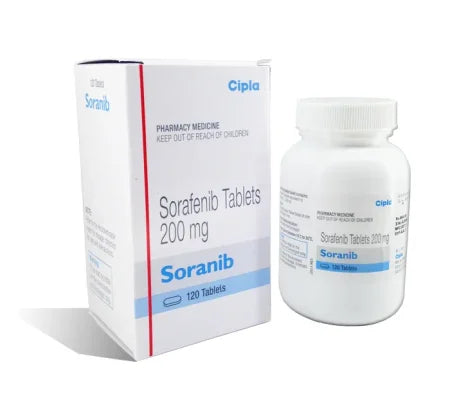
What is Soranib 200 mg?
Soranib 200 mg is a prescription medication used in the management of certain types of cancer. It contains Sorafenib Tosylate, a targeted therapy that works by interfering with specific proteins and signaling pathways involved in cancer cell growth and the formation of new blood vessels that tumors need to survive.
Unlike traditional chemotherapy, Sorafenib is designed to target cancer-related mechanisms more selectively. It is commonly prescribed as part of a long-term treatment plan under the supervision of an oncologist and may be recommended for patients with advanced or difficult-to-treat cancers.
Active Ingredient
-
Generic Name: Sorafenib Tosylate
-
Strength: 200 mg
-
Drug Category: Multikinase Inhibitor
-
Dosage Form: Oral Tablet
-
Administration Route: Oral Use
The active ingredient works by blocking multiple enzymes known as kinases, which play a role in tumor growth and cancer progression.
How Soranib 200 mg Works
Cancer cells often depend on abnormal signaling pathways to grow, multiply, and spread throughout the body. Sorafenib targets these pathways by inhibiting several protein kinases involved in cell proliferation and blood vessel development.
By limiting the formation of new blood vessels that supply nutrients to tumors, the medication may help slow disease progression. It also interferes with signals that encourage cancer cells to divide, making it an important treatment option for specific cancers where these pathways are active.
Medical Uses of Soranib 200 mg
Doctors may prescribe Soranib 200 mg for the treatment of certain advanced cancers when clinically appropriate.
Advanced Liver Cancer
Sorafenib is widely used in patients with hepatocellular carcinoma (HCC), the most common type of primary liver cancer. It may help slow tumor progression in cases where surgery is not suitable.
Advanced Kidney Cancer
The medication can be prescribed for renal cell carcinoma (RCC), particularly in patients with advanced-stage disease requiring targeted therapy.
Differentiated Thyroid Cancer
In some situations, Sorafenib may be recommended for thyroid cancer that no longer responds effectively to radioactive iodine treatment.
Treatment suitability depends on individual diagnosis, disease stage, and overall health status.
Key Characteristics
Targeted Mechanism of Action
Rather than attacking all rapidly dividing cells, the medication focuses on specific biological pathways associated with tumor growth.
Oral Administration
The tablet form allows patients to take treatment without the need for intravenous infusions.
Long-Term Treatment Potential
Many patients remain on therapy for extended periods depending on treatment response and physician recommendations.
Multi-Pathway Inhibition
The active ingredient affects multiple targets involved in cancer progression, making it useful in several cancer types.
Established Clinical Use
Sorafenib has been used globally for years in oncology practice and remains an important option in selected treatment protocols.
Potential Benefits
Treatment with Soranib 200 mg may offer several therapeutic advantages when prescribed appropriately:
-
Helps slow tumor growth
-
Inhibits the development of tumor blood vessels
-
Supports disease management in advanced cancers
-
Provides a non-invasive oral treatment option
-
May delay cancer progression in eligible patients
-
Can be incorporated into individualized oncology treatment plans
-
Allows ongoing monitoring and dosage adjustment by healthcare providers
The degree of benefit varies among patients and depends on factors such as cancer type, stage, and overall health.
How to Take Soranib 200 mg
The medication should always be taken exactly as directed by a healthcare professional.
Patients are generally advised to swallow the tablet whole with water and avoid crushing, breaking, or chewing it. Consistency in dosing time may help maintain stable drug levels in the body.
The medicine is often taken on an empty stomach or according to specific instructions provided by the treating physician. Changes in dosage should never be made without medical guidance.
If a dose is missed, patients should consult their healthcare provider regarding the appropriate course of action rather than doubling the next dose.
Dosage Considerations
The prescribed dose may vary depending on:
-
Type of cancer being treated
-
Treatment goals
-
Patient age
-
Liver function
-
Kidney function
-
Other medical conditions
-
Tolerance to treatment
-
Concurrent medications
Regular follow-up appointments are important to assess treatment effectiveness and monitor for potential side effects.
Possible Side Effects
Like many cancer therapies, Sorafenib may cause side effects that range from mild to serious.
Common Side Effects
Some patients may experience:
-
Fatigue
-
Diarrhea
-
Nausea
-
Loss of appetite
-
Weight loss
-
Hair thinning
-
Skin rash
-
Dry skin
-
Abdominal discomfort
-
Weakness
These effects may vary in severity and duration among individuals.
Skin-Related Reactions
Certain patients develop hand-foot skin reactions, which may include:
-
Redness
-
Tenderness
-
Swelling
-
Peeling skin
-
Discomfort on palms and soles
Early reporting of symptoms allows healthcare providers to recommend appropriate management strategies.
Serious Side Effects
Immediate medical attention may be necessary if symptoms such as the following occur:
-
Severe bleeding
-
Chest pain
-
Shortness of breath
-
Significant blood pressure elevation
-
Severe allergic reactions
-
Persistent severe diarrhea
-
Signs of liver dysfunction
-
Unusual bruising or bleeding
Precautions and Warnings
Before starting treatment, patients should discuss their complete medical history with their healthcare provider.
Extra caution may be required in individuals with:
-
Liver disease
-
Kidney impairment
-
Heart disorders
-
High blood pressure
-
Bleeding disorders
-
Recent surgery
-
History of stroke
-
Cardiovascular disease
Routine monitoring may be necessary throughout treatment.
Drug Interactions
Certain medications may alter how Sorafenib works or increase the likelihood of side effects.
Potential interactions may occur with:
-
Blood thinners
-
Certain antibiotics
-
Antifungal medications
-
Heart medications
-
Seizure medications
-
Immunosuppressive drugs
-
Herbal supplements
Patients should provide a complete list of all prescription medicines, over-the-counter products, and supplements before beginning therapy.
Monitoring During Treatment
Regular medical monitoring plays an important role in safe and effective treatment.
Healthcare providers may periodically assess:
-
Liver function
-
Kidney function
-
Blood pressure
-
Blood counts
-
Treatment response
-
Overall tolerance to therapy
These evaluations help determine whether treatment adjustments are needed.
Storage Information
Store the tablets according to the instructions provided on the packaging.
General storage recommendations include:
-
Keep at room temperature
-
Protect from excessive heat and moisture
-
Store in the original container
-
Keep away from direct sunlight
-
Keep out of reach of children and pets
Who Should Not Use This Medication?
This treatment may not be appropriate for everyone. Patients should seek professional medical advice before use, particularly if they:
-
Have a known allergy to Sorafenib or related ingredients
-
Are pregnant or planning pregnancy
-
Are breastfeeding
-
Have uncontrolled cardiovascular conditions
-
Have severe liver impairment without medical evaluation
Important Information
Soranib 200 mg is a targeted cancer therapy intended for use under specialist supervision. Because cancer treatment requirements differ significantly between patients, dosage, duration, and monitoring plans are individualized. Regular communication with healthcare providers and adherence to prescribed instructions are essential for achieving the best possible treatment outcomes while minimizing risks associated with therapy.
For patients undergoing treatment with Soranib 200 mg, ongoing medical assessment remains a key component of safe and effective cancer care.
What is Lorem Ipsum?
Lorem Ipsum is simply dummy text of the printing and typesetting industry. Lorem Ipsum has been the industry's standard dummy text ever since the 1500s, when an unknown printer took a galley of type and scrambled it to make a type specimen book. It has survived not only five centuries, but also the leap into electronic typesetting, remaining essentially unchanged. It was popularised in the 1960s with the release of Letraset sheets containing Lorem Ipsum passages, and more recently with desktop publishing software like Aldus PageMaker including versions of Lorem Ipsum.
Shipping Details
Estimated ship dimensions: 11.5 inches length x 9.0 inches width x 2.0 inches height
Estimated ship weight: 2.48 pounds
We regret that this item cannot be shipped to PO Boxes.
Lorem ipsum dolor sit amet, consectetur adipisicing elit, sed do eiusmod tempor incididunt ut labore et dolore magna aliqua. Ut enim ad minim veniam, quis nostrud exercitation
Returns
Not happy with a purchase? No problem. We’ve made returning items as easy as possible. And, most purchases can be returned for free. Learn more about our Returns Policy